Decoding biological rust to treat cancer and protect vulnerable organs. We investigate how ferroptosis drives disease, develop diagnostics to identify susceptible patients and translate cell-death biology into targeted treatments.
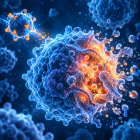
Many aggressive cancers survive treatment by resisting cell death. We investigate the molecular gatekeepers that protect tumour cells from ferroptosis and develop strategies that make them vulnerable again. By combining targeted medicines with radiotherapy and innovative light-, ultrasound- and plasma-based treatments, we aim to eliminate therapy-resistant cancers while limiting damage to healthy tissues.
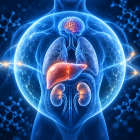
Although ferroptosis can be exploited to kill cancer cells, excessive ferroptosis can also damage healthy organs. We develop potent ferroptosis inhibitors to protect tissues during critical illness, transplantation and neurological, liver, kidney and vascular disease. By translating mechanistic discoveries into advanced preclinical models, we aim to preserve organ function and improve recovery.
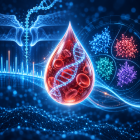
Effective treatment starts with identifying when, where and in whom ferroptosis occurs. We develop biomarkers and diagnostic technologies—including blood-based assays and nanopore sequencing—to detect ferroptotic injury and predict treatment response. These tools could help select patients most likely to benefit from ferroptosis-inducing or ferroptosis-inhibiting therapies.
A big thank you to…